


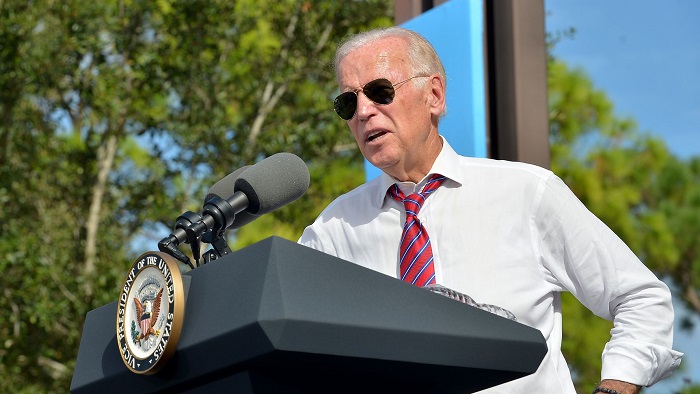
(Reuters) – Democrat Joe Biden has won the November U.S. presidential election, according to several major networks. Here are some of the changes that could occur in U.S. energy policy under his administration:
International oil supplies
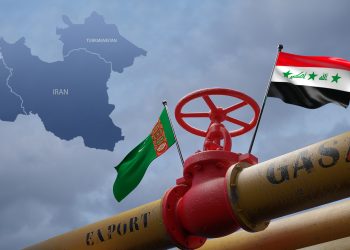
Biden has shown an interest in multilateral diplomacy similar to previous Democratic administrations. That could mean an eventual path for OPEC members Iran and Venezuela to get out from under Washington’s sanctions and start pumping again, if the right conditions are met.
In Iran, that path could include a partnered approach between Washington and Europe, similar to a deal struck under Obama’s administration.
In Venezuela, Biden appears likely to continue to favor sanctions to pressure the regime of President Nicolas Maduro, but could increase diplomatic efforts to end the impasse by negotiating a new election or power-sharing with the opposition.
Outgoing President Donald Trump’s unilateral sanctions on the two countries have taken around 3 million barrels per day of crude oil off international markets, a little more than 3% of world supply.
Biden’s campaign has not detailed how it would approach these issues.
A green transition?
A Biden administration would look to re-enter the Paris Climate Agreement, an international pact negotiated during the Obama administration to fight global warming that Trump pulled away from saying it could hurt the U.S. economy.
Biden has also vowed to bring U.S. emissions down to net zero by 2050, including by bringing emissions from the power industry to net zero by 2035 – a goal that will be tricky to accomplish without a Democratic majority in Congress.
Biden’s view is that climate change is an existential threat to the planet, and that a transition from fossil fuels can be an economic opportunity if the United States moves fast enough to become a leader in the clean energy technology.
Trump’s administration had acted to weaken or eliminate emissions targets, including the U.S. Environmental Protection Agency’s softening of vehicle emissions standards, and its rescinding of former President Barack Obama’s Clean Power Plan requiring cuts from the electric power industry. Transport and electricity together make up around half the country’s greenhouse gas emissions.
While European oil and gas companies like BP BP.L and Royal Dutch Shell RDSa.L have already begun implementing strategies for a global energy transition, U.S. majors like Exxon Mobil XOM.N and Chevron CVX.N have remained focused on the traditional energy business – sheltered politically by Trump’s leadership in Washington.
Federal drilling
While Trump had sought to maximize domestic oil and gas production, Biden has promised to ban issuance of new drilling permits on federal lands and waters in order to fight global climate change.
The United States produced nearly 3 million barrels of crude oil per day from federal lands and waters in 2019, along with 13.2 billion cubic feet per day of natural gas, according to Interior Department data.
That amounts to about a quarter of total domestic oil output and more than an eighth of total U.S. production of gas. A federal ban on new permits would mean those numbers trend toward zero over a matter of years.
There would also be an impact on public revenue federal oil and gas production produced about $12 billion in public revenue in 2019, divided between the U.S. Treasury, states and counties, tribes, and cleanup funds.
New Mexico, for example, received $2.4 billion in disbursements last year, much of it going to its historically underfunded education system. The state’s Democratic Governor Michelle Lujan Grisham told Reuters this spring she would seek a waiver from Biden’s government to allow continued drilling if he was elected.
Biden’s camp has been mum on whether such a waiver program would exist.